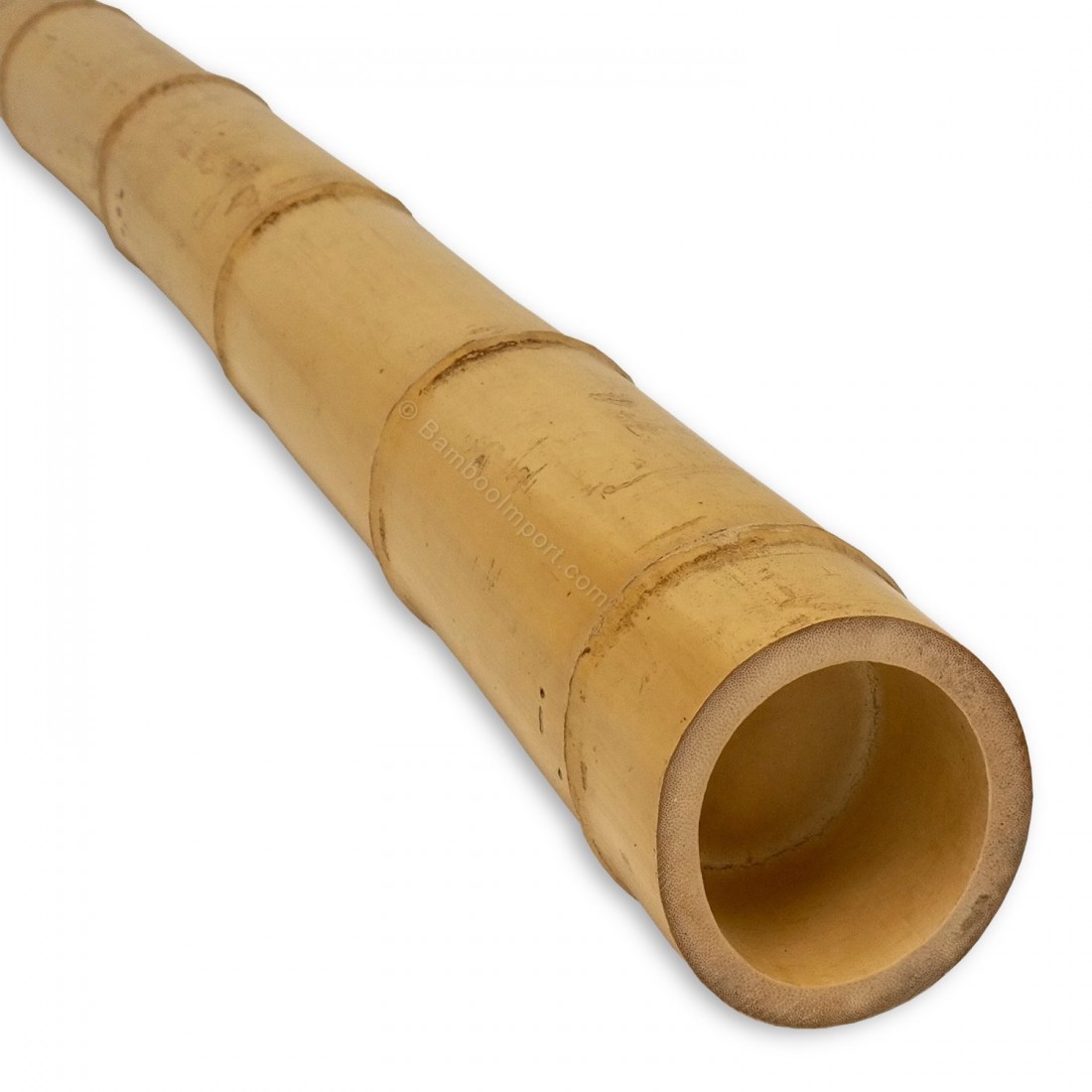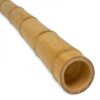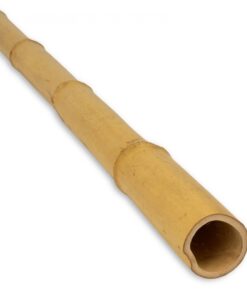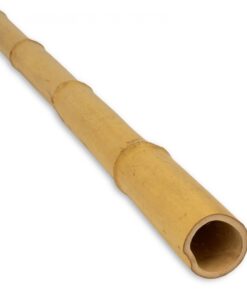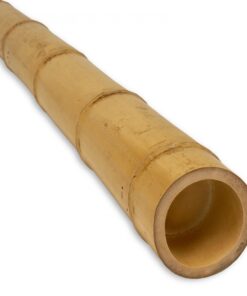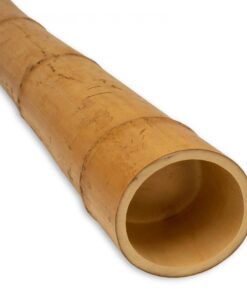


Phyllostachys edulis, also known as Moso Bamboo, is a large-diameter, thick-walled bamboo species native to China.This structural-grade bamboo is best known for its use in laminated and composite flooring.
DETAILS
| Common name: | pieces |
| Bamboo type: | Phyllostachys edulis |
| colour: | Natural / thanks |
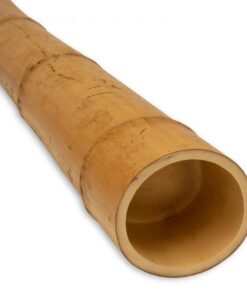
| Diameter at the base: | 50-70 mm |
| length: | 200 cm |
| Taper: | 20-30% over a length of 3 metres |
| weight: | ± 1,5 kg |
| origin: | China |
Uses
- Moso bamboo poles losediameter over their length due to the natural growth of this species.
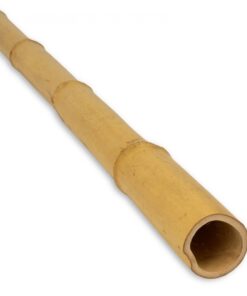
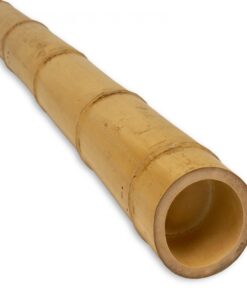
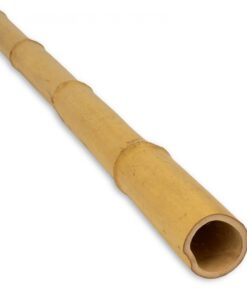
- Phyllostachys edulis has a beautiful, naturally glossy yellow outer layer.
- All species belonging to the Phyllostachys genus have a tendency to crack lengthwise along the cane. This is caused by changes in humidity and temperature during use and cannot be prevented. However, these cracks do not affect the mechanical properties of the bamboo.
- Moso bamboo is one of the hardest bamboo species in the world. This makes it one of the most popular species for engineered flooring and interior design.
General use
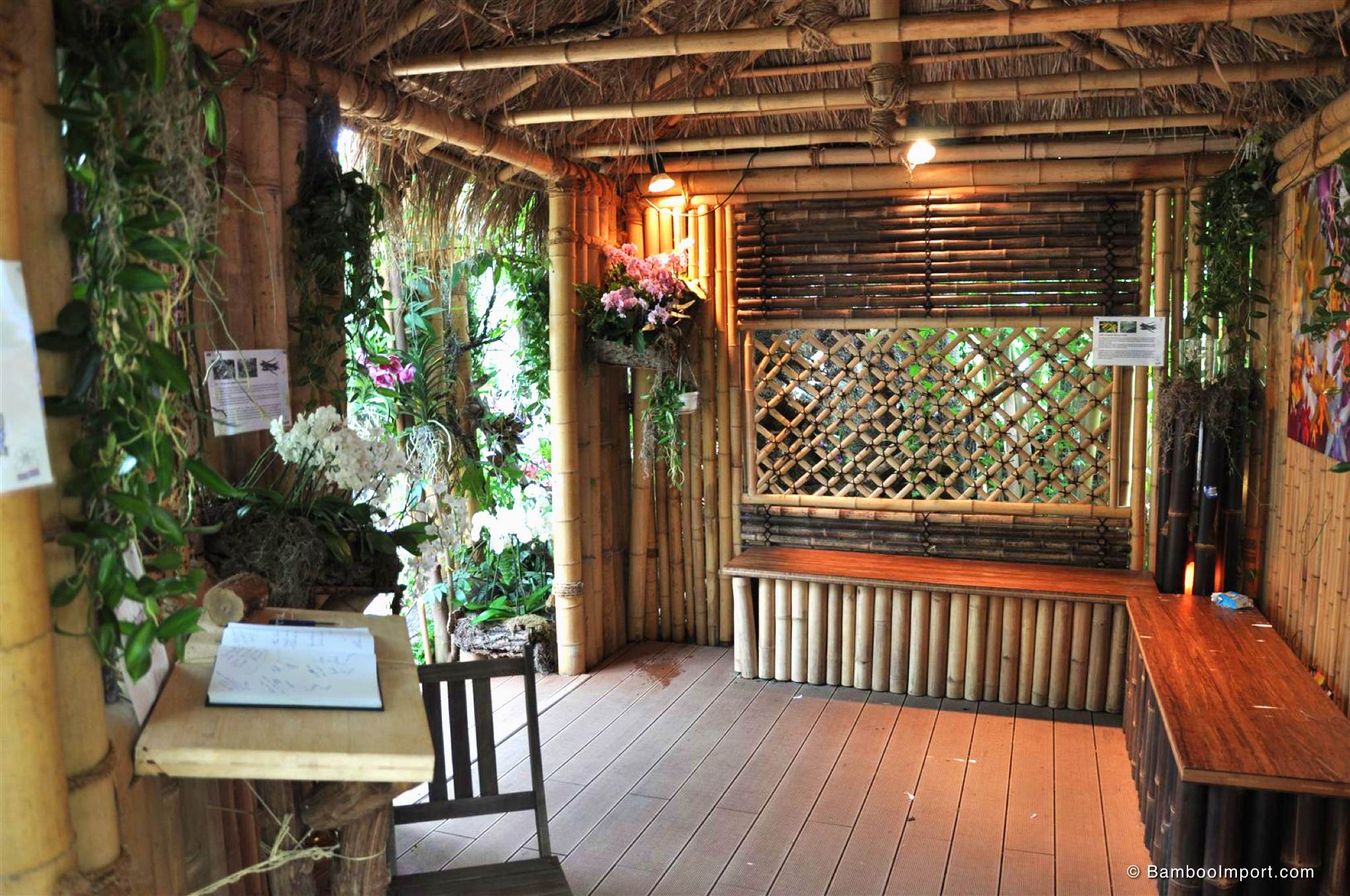
- Moso Bamboo (which means “extremely valuable hardwood” in Chinese) has been used to build houses, bridges and structures since ancient times, and it now replaces many traditional types of timber.
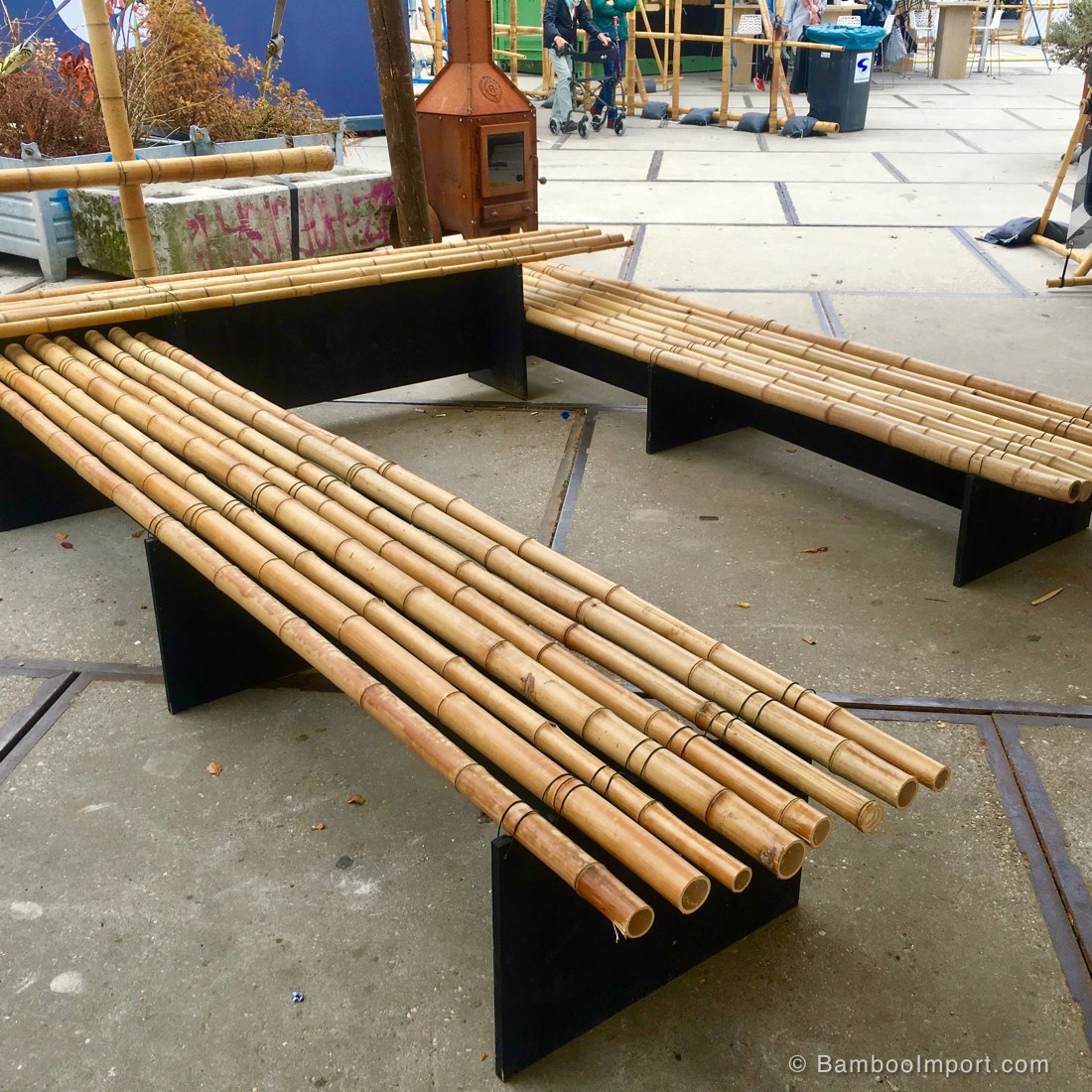
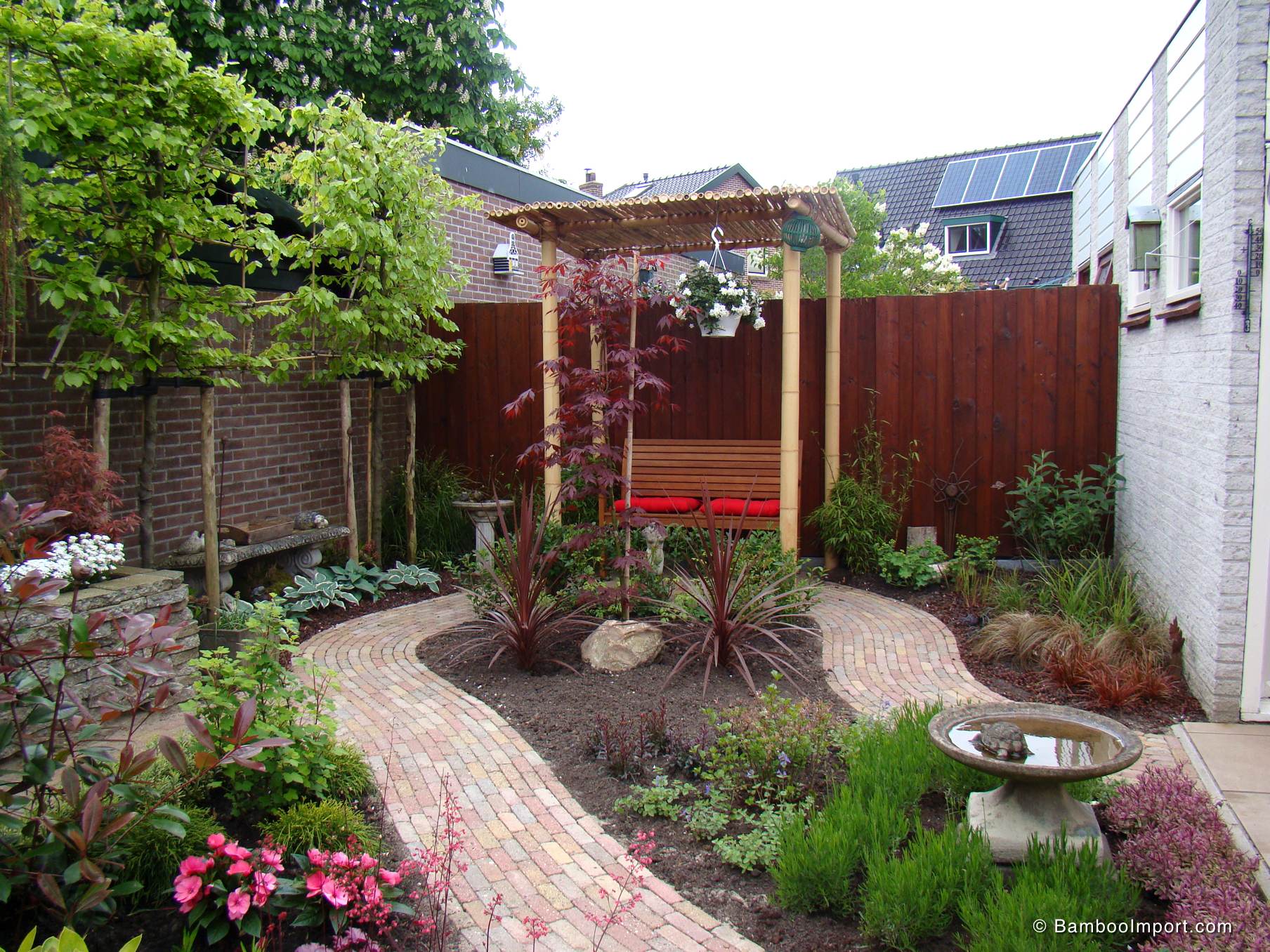
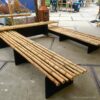
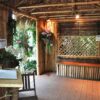
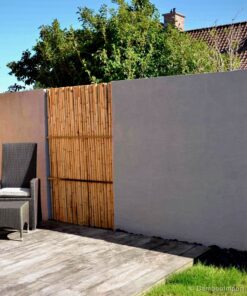
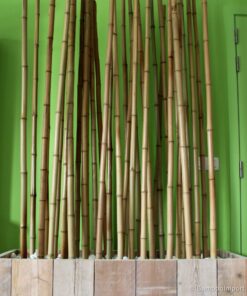
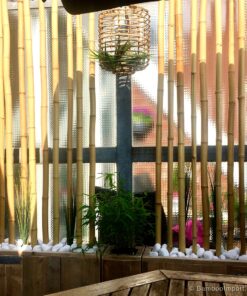
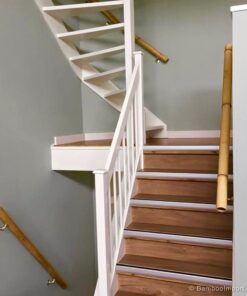
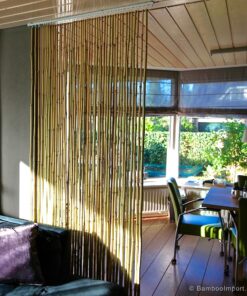
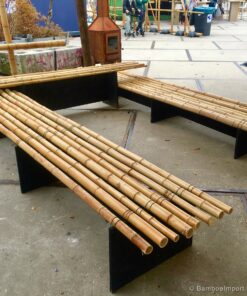
- Moso bamboo poles are ideal for decorative use, crafts, furniture,fences, musical instruments and even scaffolding up to 40 storeys high.
- Phyllostachys edulis is the most popular bamboo for manufacturing wood products such as plywood, bamboo flooring and patio tables. These products are used for the flooring of trucks, trains and shipping containers.
- Moso fibres are also used in the production of bamboo canes, mats, baskets, clothing, pulp and paper.
- Bamboo charcoal is used in the food, dye and pharmaceutical industries.
General properties of bamboo poles:
- The diameter of each bamboo pole varies. Our average diameters are always measured from the base (or the thickest point of the bamboo pole).
- It is a natural characteristic of bamboo poles that they are thicker at the base than at the top. The taper of Moso bamboo poles is approximately 20-30% over a length of 3 metres.
- Bamboo is a natural product, so bamboo poles are never 100% straight.
- Every bamboo pole is unique, so colour differences are to be expected.
- Vertical cracks may appear or occur in bamboo poles, especially when used outdoors. Like wood, bamboo also expands or shrinks as temperature or humidity conditions change. However, these cracks do not affect the structural integrity of the bamboo.
- Bamboo used outdoors will weather over time. We recommend treating the bambooBamboo Booster with Bamboo Protector to preserve its natural colour.


Deutsch