


 Deutsch
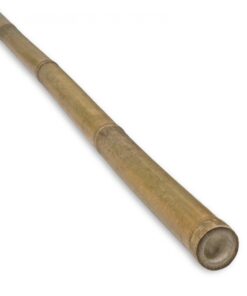
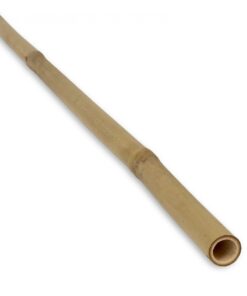
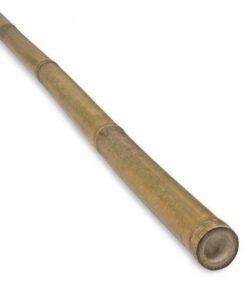
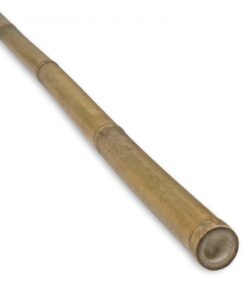
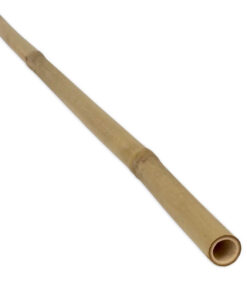
Tonkin Cane Ø 10-12 mm x 183 cm
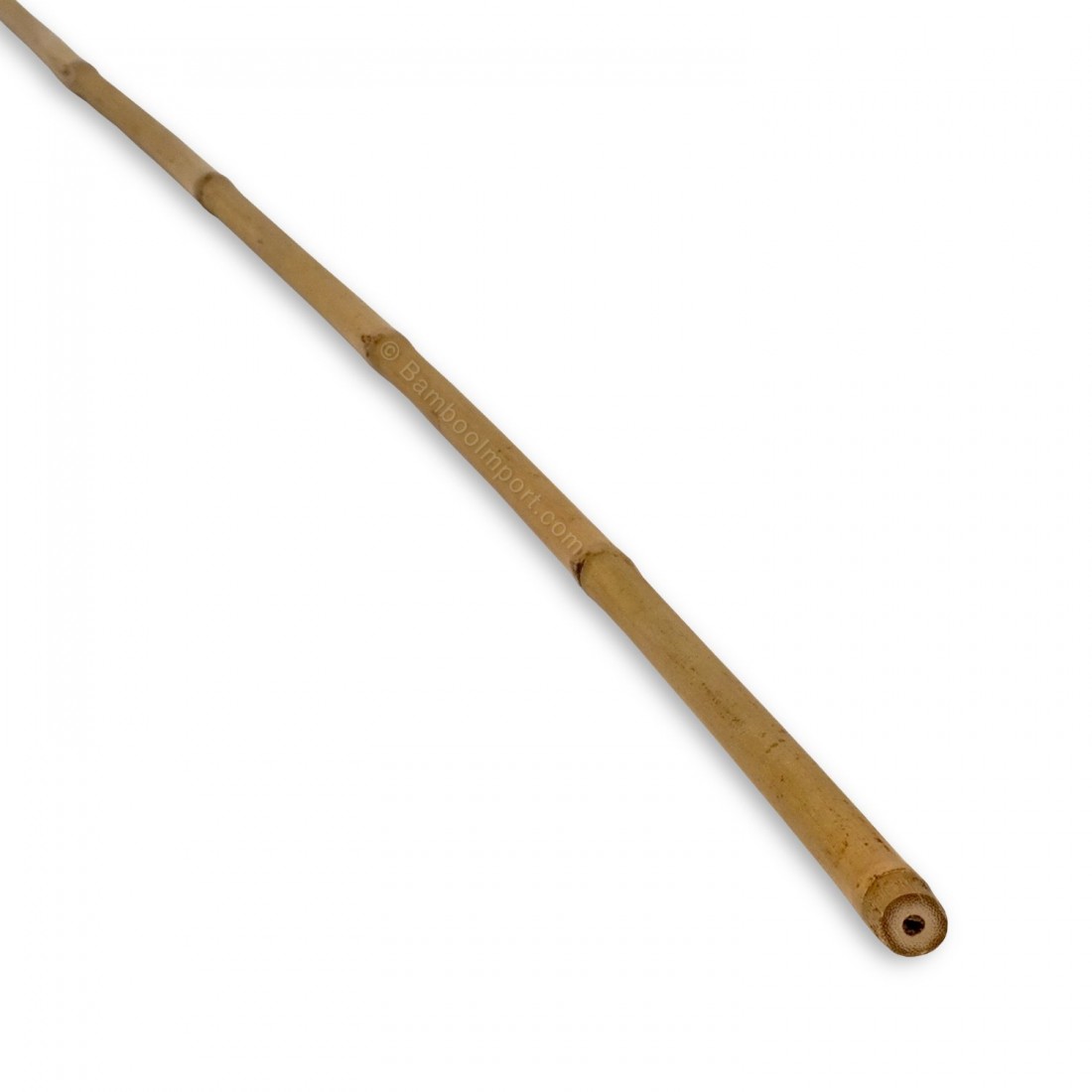



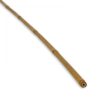




Pseudosasa amabilis, also known as Tonkin Cane or Tea Stick Bamboo, is a small, thick-walled bamboo species native to China. It is well known for its use as a plant support stake and as the primary material for making bamboo fly rods.
DETAILS
| Common name: | Tonkin |
| Bamboo species: | Pseudosasa amabilis |
| colour: | Natural / creamy white |
| Base diameter: | 10 – 12 mm |
| height: | 183 cm |
| Taper: | 10–15% over a 3 meter length |
| weight: | ± 100 gr |
| origin: | China |
Uses
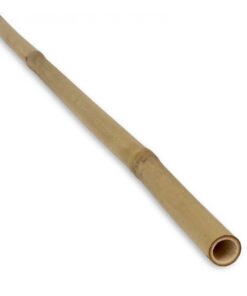
Tonkin canes are naturally straight, with only a slight taper.
A small but extremely strong, rigid and resilient bamboo species, thanks to its thick walls.
Attractive creamy white color.
Tonkin bamboo has no lower branches, resulting in reduced (flattened) nodes.
High resistance to mold and insects, making it excellently suited for outdoor use.
General use
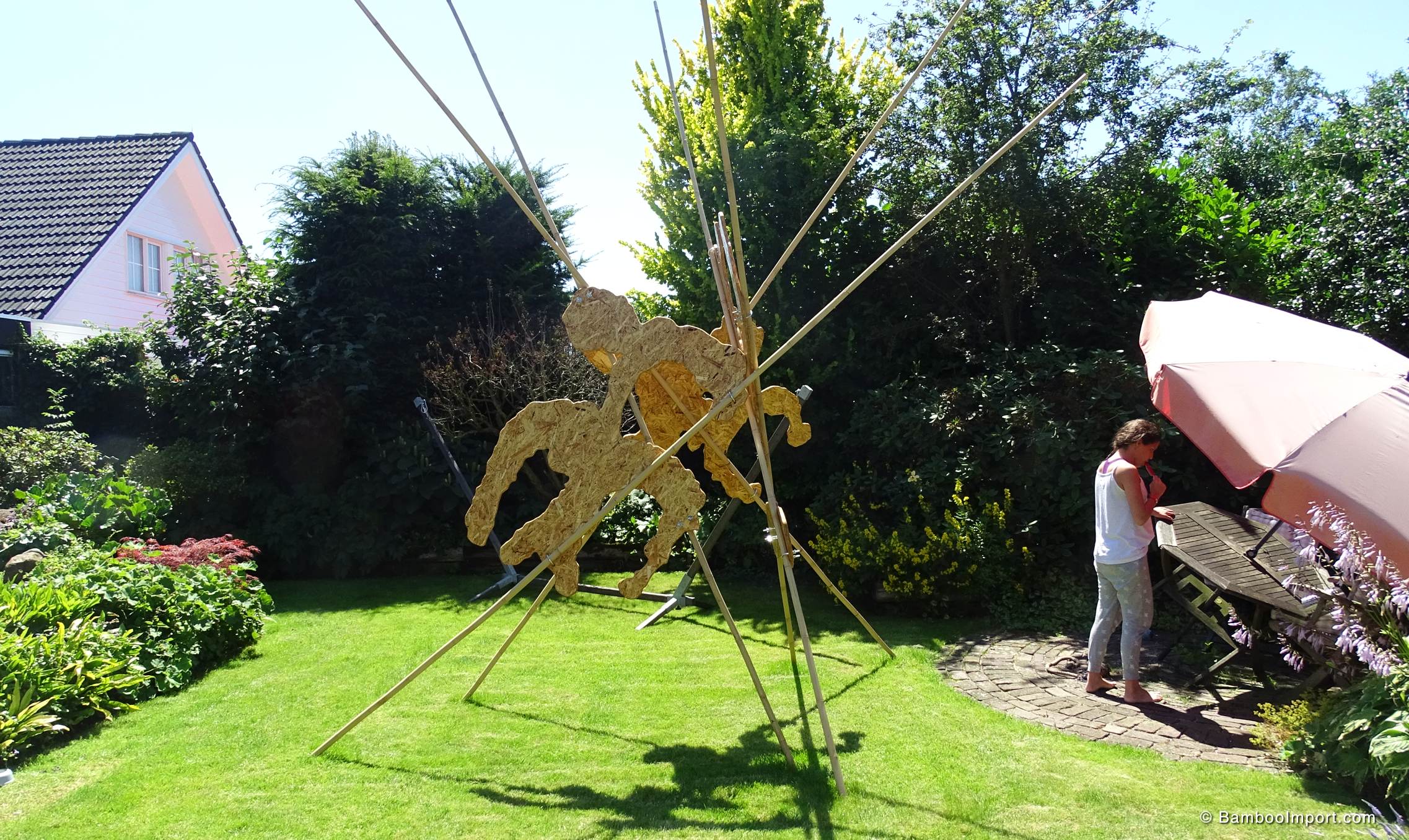
Known as a support stake and post for trees or plants in nurseries, greenhouses, plantations or gardens around the world.
Popular bamboo species for making split sticks.
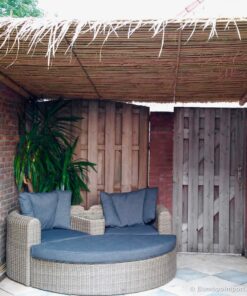
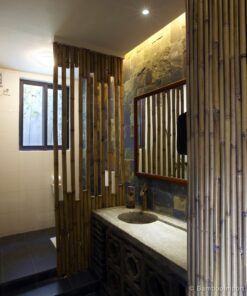
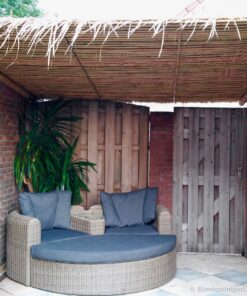
Excellent bamboo for lightweight structures, such as furniture making, fences and screens.
of bamboo polesgeneral properties:
The diameter of each bamboo pole varies. Our average diameters are always measured from the base (or the thickest point of the bamboo pole).
It is a natural characteristic of bamboo poles that they are thicker at the base than at the top. The taper of Tonkin bamboo canes is approximately 10–15% over a length of 3 metres.
Bamboo is a natural product, so bamboo poles are never 100% straight.
Every bamboo pole is unique, so colour differences are to be expected.
Vertical cracks may appear or occur in bamboo poles, especially when used outdoors. Like wood, bamboo also expands or shrinks as temperature or humidity conditions change. However, these cracks do not affect the structural integrity of the bamboo.
Bamboo used outdoors will weather over time. We recommend treating Tonkin canes with Bamboo Booster to preserve their natural colour.
5 €
Related products